Foundation to Build Turkish Bath and Laundry for the Public
Foundation to Build Turkish Bath and Laundry for the Public
Foundation to Build Turkish Bath and Laundry for the Public
İbrahim Efendi's son was known as Sayyid Ahmet. One day he was going to the date garden. The streets of Medina were secluded at that time. He witnessed a man talking to a little boy on the road. He was saying the man:
-Why is your head so dirty? Doesn't your mother take care of you at all?
The boy shrugged in embarrassment. He had his hands behind his back as if trying to hide the sleeves of his shirt, whose sleeves were covered in dirt. The man had warned the child and made his own warning, but this did not go beyond frightening and intimidating him. Immediately after him, İbrahim Efendi approached the child. He was trying to wipe the tears that were dripping like pearls from his eyes. She was obviously very upset. He stroked her hair. He asked in a compassionate voice:
-What's your name, baby?
-Ahmet.
-Oh, my name is Ahmet. You are so Beautiful? You seem like a very smart kid.
When the boy met someone who complimented him unlike the previous one, he stared into Ahmet Efendi's eyes:
-Am I really like that, uncle?
-So you are… Where is your house? What does your father do?
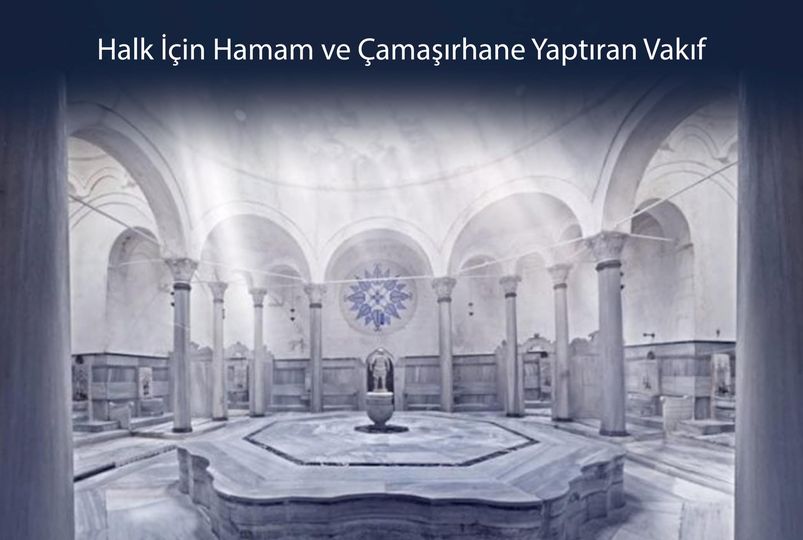
The boy's lips trembled. He said that his father is not alive and that his mother is also sick. According to his description, the house was also somewhere on the edge of the city. Ahmet Efendi was very upset. He took the child to his home. He told his wife about the situation. They washed the child and his clothes and fed him. While his wife was taking care of the orphaned child, Ahmet Efendi was thinking about other people in need of care in the city at that moment. He decided that this was an important need and acted immediately. He built wells, fountains with taps, and a Turkish bath with laundry facilities. All people who needed this place would be able to do their laundry as well as personal cleaning and bathing. In 1713, he dedicated this outbuilding for public use forever.