1. Archival Studies
450 Years of Waqf Documents Under Protection
The most comprehensive and remarkable archival project carried out by the Cyprus Evkaf Administration to date has been the preservation of waqf registry books and qadi (Kadı) court records—dating back over 450 years—using scientific methods. These documents, which include the records of waqfs established during the Ottoman period in Cyprus and the official registers maintained by the judicial authority qadi (Kadı), had deteriorated over time and were being stored in unsuitable conditions.
With the support of the Embassy of the Republic of Türkiye in Nicosia and in collaboration with the Turkish Archivists Association, thousands of documents and registers have been restored, classified, summarized in modern Turkish, and digitized through the meticulous work of 150 experts. These invaluable archives, which shed light on the history of Cyprus, are now accessible to researchers. These documents not only reflect the administrative history of waqf properties but also serve as powerful witnesses of Cyprus’s social structure, legal system, and way of life as it evolved over centuries, thereby contributing significantly to the collective memory.
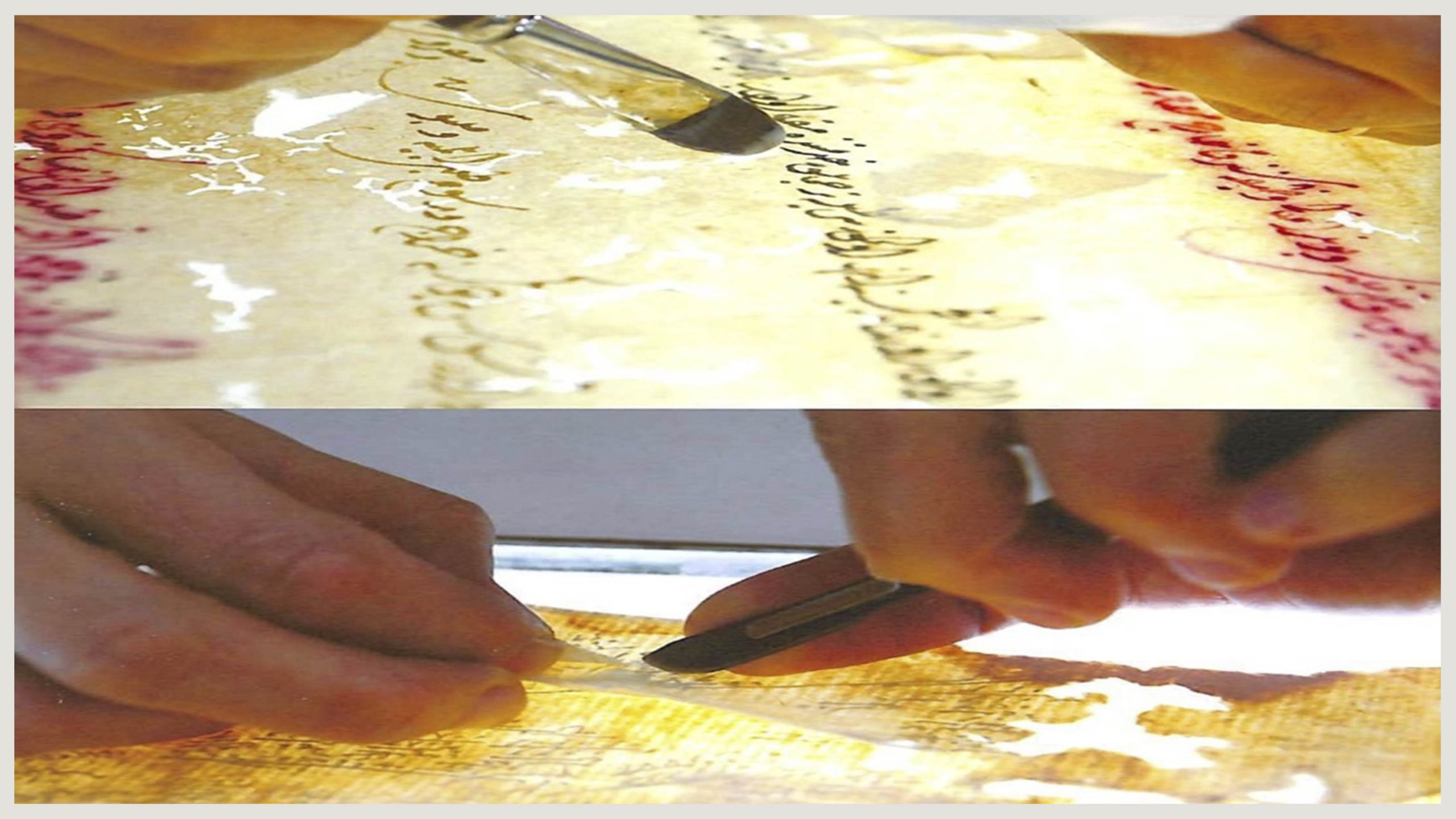
Ahkāmü’l Evkaf: The Cornerstone of Waqf Law
An important component of the archival efforts is the modern Turkish adaptation of Ahkāmü’l Evkaf, a seminal work written in 1890 by legal scholar Ömer Hilmi Efendi. This cornerstone source on waqf law and principles has been made available to researchers through the efforts of the Cyprus Evkaf Administration since 2003. The work offers a comprehensive perspective on various aspects of waqfs, including their legal status, governance principles, social roles, and associated rights and responsibilities. It provides deep insight into the historical roots of the waqf tradition.
An Archival Gateway to the Future
Through these projects, the Cyprus Evkaf Administration is not only documenting the past but also creating a valuable resource that guides the future. Thanks to the digitized archival materials, historians, legal experts, academics, students, and cultural heritage researchers can now access reliable and readily available sources related to Cyprus’s rich history. These archival studies serve as one of the most tangible examples of preserving and sustaining a nation’s memory—not only for Cyprus but also for all those interested in Ottoman and waqf history.
2. Education
Education is a sector gaining increasing importance and becoming strategic in Cyprus. In line with this development, the Cyprus Evkaf Administration not only preserves the legacy of the past but also actively supports and promotes contemporary education. Projects carried out in this field are carefully planned and implemented to contribute to the training of individuals who will shape the future of society.
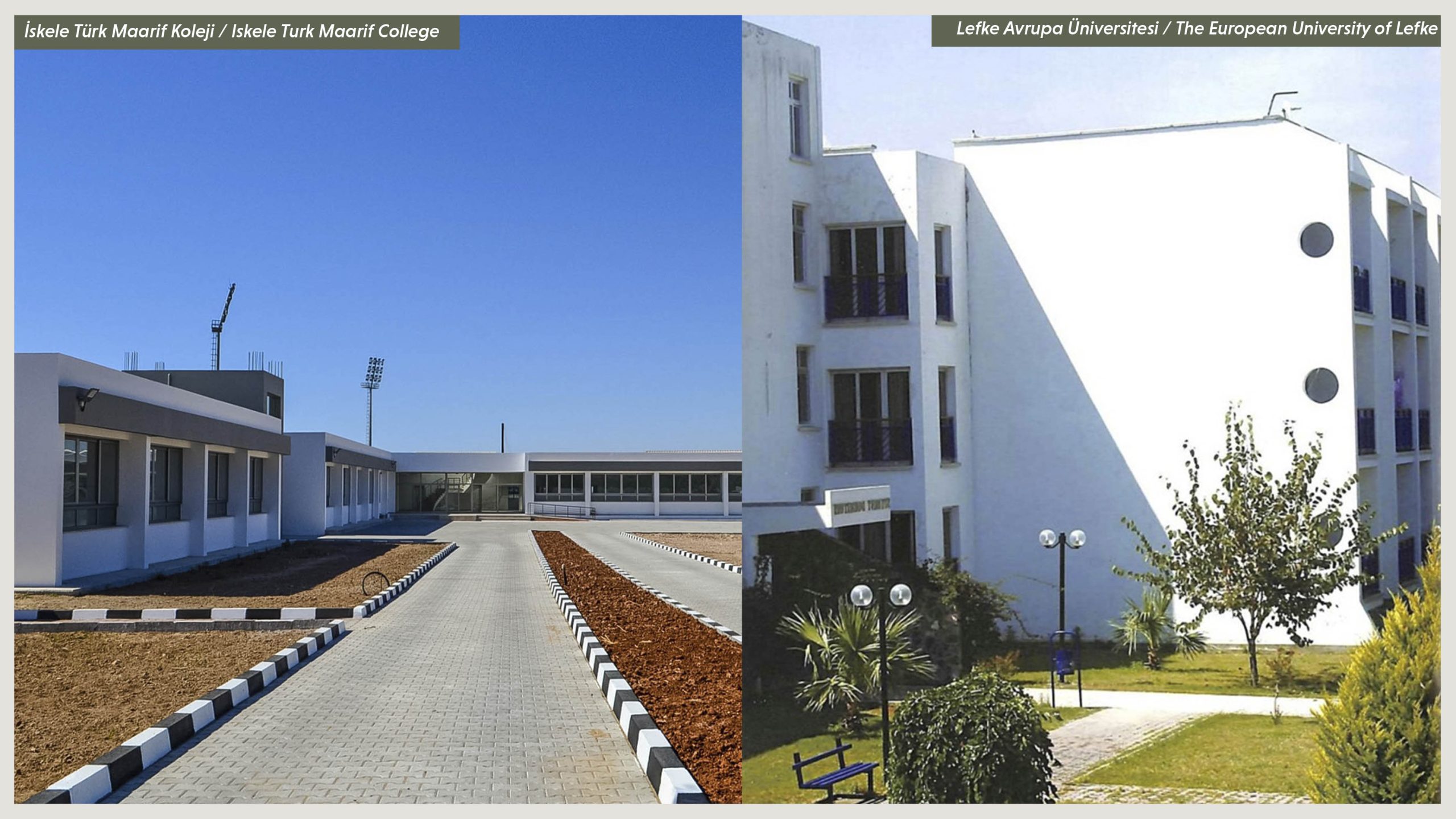
A concrete example of this vision is Lefke European University, established under the leadership of the Cyprus Science Waqf. The university began its academic activities shortly after its founding and quickly became a notable educational institution at both local and international levels. With its structure that supports scientific research, modern curriculum, and innovative educational approach, the university continues to grow steadily. Collaborations with other universities, student and academic exchange programs, joint projects, and scientific events further accelerate its development. This environment creates a multicultural academic setting, providing students with a global perspective.
Another significant investment in education is the İskele Evkaf Turkish Maarif College. Realized through cooperation between the Cyprus Evkaf Administration and the Ministry of National Education and Culture, this project aims to strengthen the region’s educational infrastructure and offer modern, high-quality learning environments for younger generations. The school’s facilities were designed not only to meet students’ academic needs but also their social, technological, and cultural requirements. Modern classrooms, specialized laboratories for various fields, and social spaces were planned to support students’ comprehensive development.
Through projects like these, the Cyprus Evkaf Administration not only establishes educational waqfs but also makes the most valuable investment in the future of society. These initiatives clearly demonstrate how the waqf culture is preserved with a contemporary interpretation and how the commitment to serving society is sustained.
3. Scholarships
During the Ottoman period, waqfs provided scholarships to students to encourage education and offer learning opportunities to various segments of society. This tradition continues today, with waqfs offering scholarships to students at all levels, from primary school to university. Within this scope, the Cyprus Evkaf Administration provides scholarship opportunities to successful students who are in financial need.
In 2023, the Evkaf Champion Angels Scholarship, initiated in collaboration between the Cyprus Evkaf Administration and the Association for Keeping Champion Angels Alive, continues to support successful students requiring financial assistance.
4. Banking
Cyprus Vakıflar Bank Ltd. was established on July 22, 1983, and serves with a widespread branch network across various regions of the island. The bank is not only one of the main sources of income for the Cyprus Evkaf Administration, but also stands out as a reliable and stable institution in the financial sector.
Cyprus Vakıflar Bank meets the financial needs of both individual customers and commercial enterprises through a wide range of financial products and services. The bank’s operations go beyond merely providing economic services; by ensuring the financial sustainability of the Cyprus Evkaf Administration, it guarantees the continuity of waqf activities.
Moreover, while supporting the development of the local economy, the bank contributes significantly to the community’s economic welfare as a trusted financial institution for investors and savers alike. Thus, Cyprus Vakıflar Bank functions as a cornerstone for both economic development and social stability.
5. Real Estate
The Cyprus Evkaf Administration effectively utilizes its extensive real estate portfolio for the benefit of the community. In urban centers, commercial buildings such as marketplaces, bazaars, and passages that meet the needs of tradespeople are leased under favorable conditions. In rural areas, agricultural lands and farms are leased to farmers. Additionally, housing allocations are made to low-income citizens, providing solutions to housing needs.
As the largest real estate owner in Northern Cyprus, the Administration does not merely collect rental income but actively undertakes projects aimed at the preservation, evaluation, and development of these properties.
6. Construction
In line with the social benefit principle at the core of waqf culture, the Cyprus Evkaf Administration carries out construction activities in various fields. Within this scope, new buildings that will promote trade in cities are constructed; land and buildings are allocated for service buildings such as schools, cultural centers, libraries, municipal buildings, and hospitals that operate in education, culture, and health sectors.
Construction projects serve both the utilization of waqf properties and the fulfillment of the community’s social needs. In this way, the waqf tradition is sustainably preserved from past to present.
7. Restoration
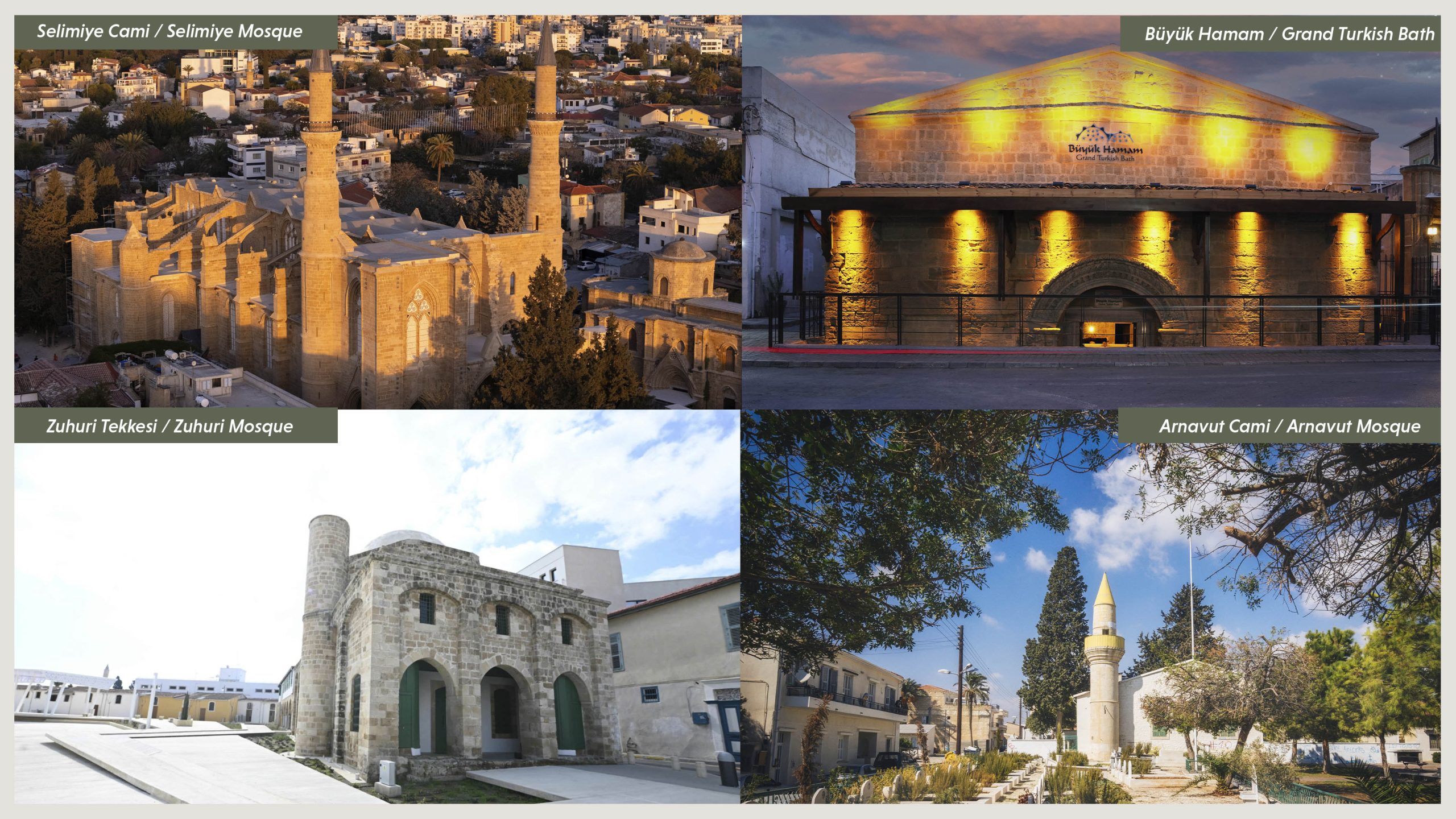
The Cyprus Evkaf Administration has long been conducting significant works in cooperation with various international organizations to preserve and make functional important historical and cultural assets in Cyprus. Historical buildings that were on the brink of collapse and abandoned to their fate are being restored and returned to society through careful efforts.
In collaboration with various institutions and organizations, the Cyprus Evkaf Administration leads the restoration of important architectural works in Cyprus in accordance with their original structures. There is significant cooperation for the preservation of cultural heritage in both the Northern and Southern parts of the island. Restoration works of mosques, churches, cemeteries, and other historical buildings carried out by the Cyprus Evkaf Administration are conducted under the supervision of the Cultural Heritage Technical Committee and with financial support from the European Union.
These projects are implemented by the United Nations Development Program (UNDP), the Embassy of the Republic of Türkiye in Nicosia, and the Presidency and Prime Ministry of the Turkish Republic of Northern Cyprus. The purpose of these restoration works is to protect important religious and historical structures reflecting the cultural diversity of Cyprus. This cooperation is of great importance for all communities on the island and contributes to the preservation and transmission of cultural heritage to future generations.
Real estate is an important source of income for waqfs. Especially for key buildings occupied by our tenants, we have added value to our properties through maintenance, repair, and restoration works.
8. Agriculture
The Cyprus Evkaf Administration owns a significant portion of the cultivable agricultural lands belonging to Turkish Cypriots across the island. This extensive landholding gives the administration a strategic position within the agricultural sector. Today, the Cyprus Evkaf Administration follows a strategic approach to ensure the sustainable and efficient use of its agricultural lands by collaborating with expert private sector companies to manage its citrus groves and farms. This cooperation allows the lands to be utilized at their maximum potential, while the administration manages its resources more effectively and makes a meaningful contribution to agricultural production.
Businesses operating on these leased lands use modern farming techniques to produce goods for both the local market and export. The revenue generated from leasing these lands is used by the Cyprus Evkaf Administration to sustain and improve its waqf services. This approach not only supports the development of the agricultural sector in Cyprus but also plays an important role in land management and the efficient use of resources. The policies and practices of the Evkaf Administration aim to contribute to rural development on the island and increase the economic value of agriculture.
9. Tourism
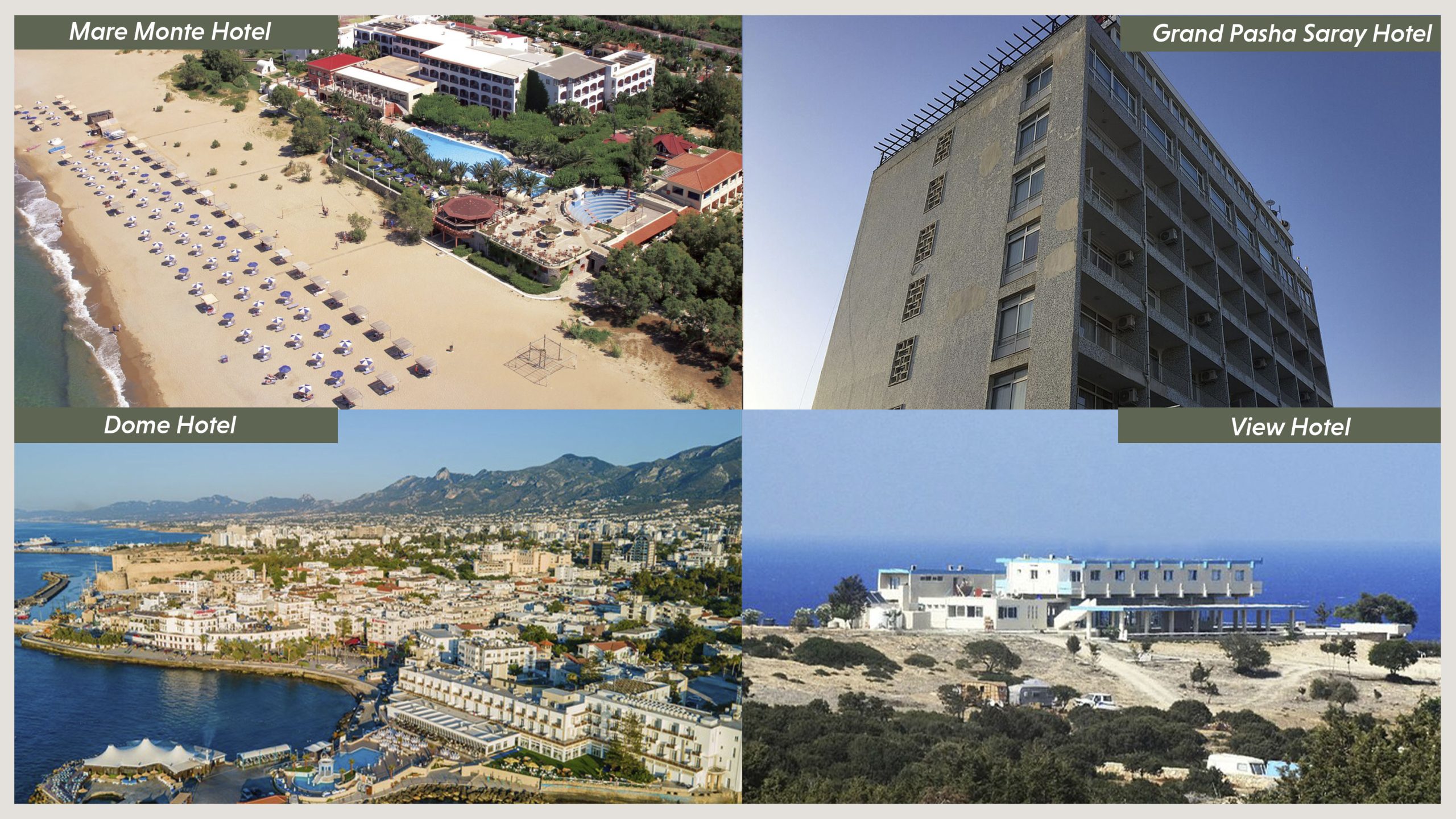
Throughout history, the Cyprus Evkaf Administration has made significant contributions to the country’s tourism sector and has led its development. In this context, the hotels under its management Dome Hotel, Grand Pasha Saray Hotel, Mare Monte Hotel, and View Hotel have served as important accommodation centers in the region.
These hotels have not only provided high-quality accommodation to tourists but have also played an active role in promoting the cultural and historical heritage of Cyprus. Over time, the Cyprus Evkaf Administration gradually withdrew from direct tourism operations and transferred its facilities to the private sector through long-term lease models. This strategic decision allowed tourism infrastructure to be operated more efficiently and sustainably. By leasing its high-value and strategically located properties to investors, the Administration has significantly contributed to increasing Cyprus’s tourism accommodation capacity.
In addition, many cultural heritage buildings owned by the Administration serve as tourist attractions—not only for their historical and architectural value but also for enriching and diversifying the tourism experience. These sites allow visitors to integrate their travel with the rich cultural heritage of Cyprus.
10. Sports
As in the economic and social spheres, the Cyprus Evkaf Administration has also played a pioneering role in the field of sports. The Evkaf Sports Club, established in 1985, has made important contributions to sports in the Turkish Republic of Northern Cyprus (TRNC).
Initially active in various sports branches, the club later focused on volleyball and achieved numerous championships. It continues to operate successfully with both men’s and women’s volleyball teams. Additionally, the Evkaf Wheelchair Basketball Team proudly represents the country in both national and international competitions.
11. Religious Affairs
The Cyprus Evkaf Administration has long undertaken significant efforts to support and develop the religious services of the Turkish Cypriot community. A portion of waqf revenues is allocated, in accordance with waqf conditions, to the maintenance, repair, and restoration of places of worship such as mosques and masjids, as well as historically and religiously significant buildings like tekkes and tombs. This ensures the sustainability of religious services while preserving cultural heritage.
For many years, the Cyprus Evkaf Administration played a leading role in financing religious services. However, with the decision by the government to directly support religious services during the preparation of the Constitutions of the Turkish Federated State of Cyprus and the Turkish Republic of Northern Cyprus, some changes occurred. In this process, the Mufti’s Office, previously affiliated with the Evkaf Administration, was replaced by the Department of Religious Affairs, and the distribution of duties in this field was restructured.
The Cyprus Evkaf Administration provides both financial and moral support to religious officials to ensure the sustainability of religious life, thereby playing an important role in strengthening social solidarity and religious life.
12. Social Solidarity Network
The Cyprus Evkaf Administration has a broad network of waqfs under its umbrella. This network includes both classical waqfs that have survived to the present day and modern waqfs that serve various social needs. All are managed and supervised by the Cyprus Evkaf Administration. While some classical waqfs are operated directly by the Cyprus Evkaf Administration, others are overseen by their respective boards of trustees. The Cyprus Evkaf Administration continues its efforts to preserve the spirit of philanthropy, which is considered the core purpose of waqfs and passed down through generations, by successfully directing the revenues it generates to those in need.
In addition to providing financial, clothing, and food assistance to disadvantaged groups such as the elderly, children, the poor, and students facing financial hardship, the Administration also supports the operation of institutions like primary schools, nursing homes, and children’s shelters. Through these efforts, the Cyprus Evkaf Administration is able to reach and assist a large number of people in need simultaneously.
An important part of this solidarity network is the Evkaf Goodness Volunteers Team, composed of individuals from various segments of society. These volunteers actively participate in aid organizations, social responsibility projects, and solidarity activities, contributing to the continuation of waqf culture. The Goodness Volunteers Team plays a significant role not only in delivering aid but also in raising social awareness.
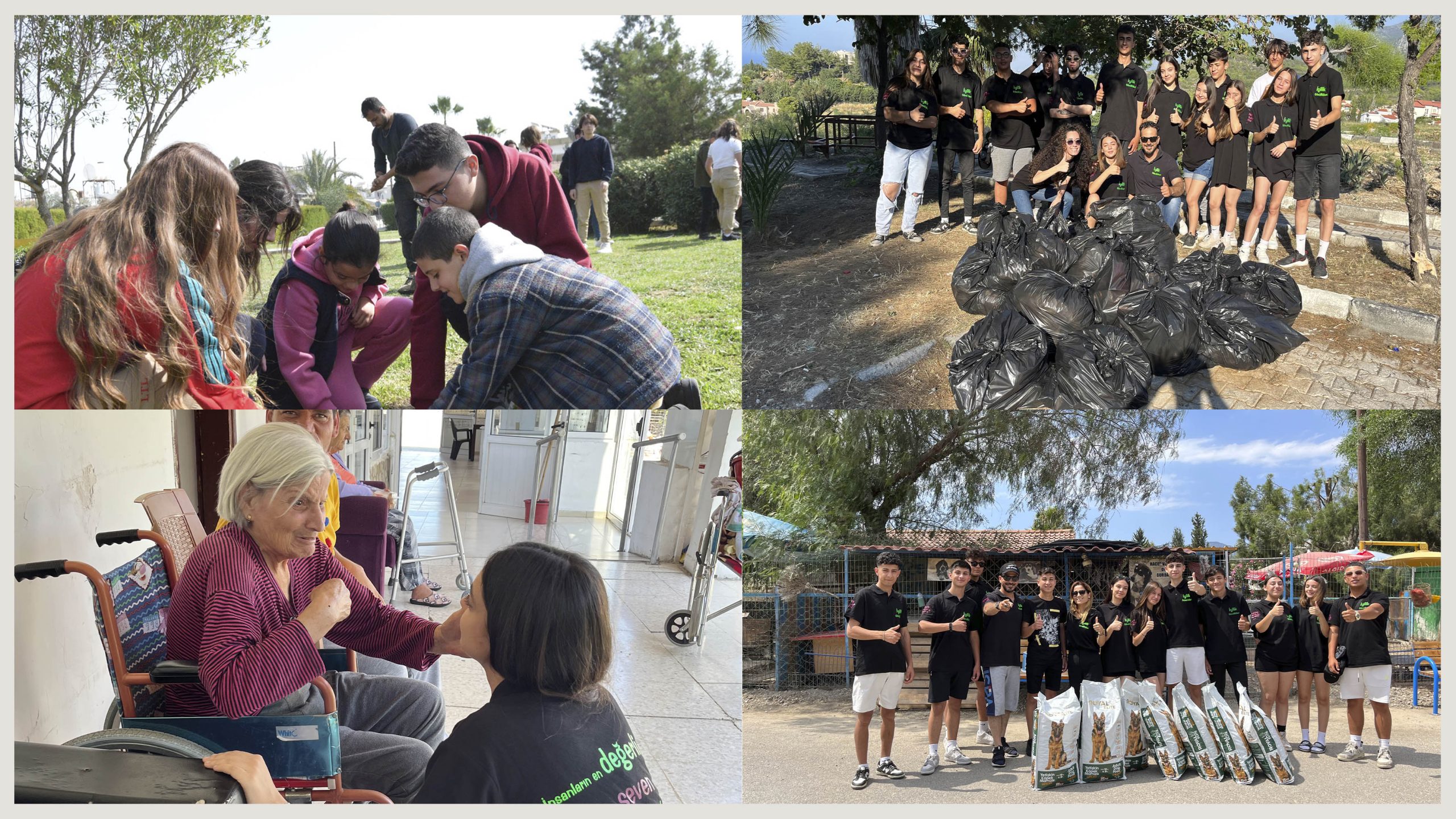
This volunteer-based community includes a wide range of people—from youth to adults, from students to professionals. Working to spread kindness, reach those in need, and keep the spirit of waqf alive, the team demonstrates a strong example of social solidarity.